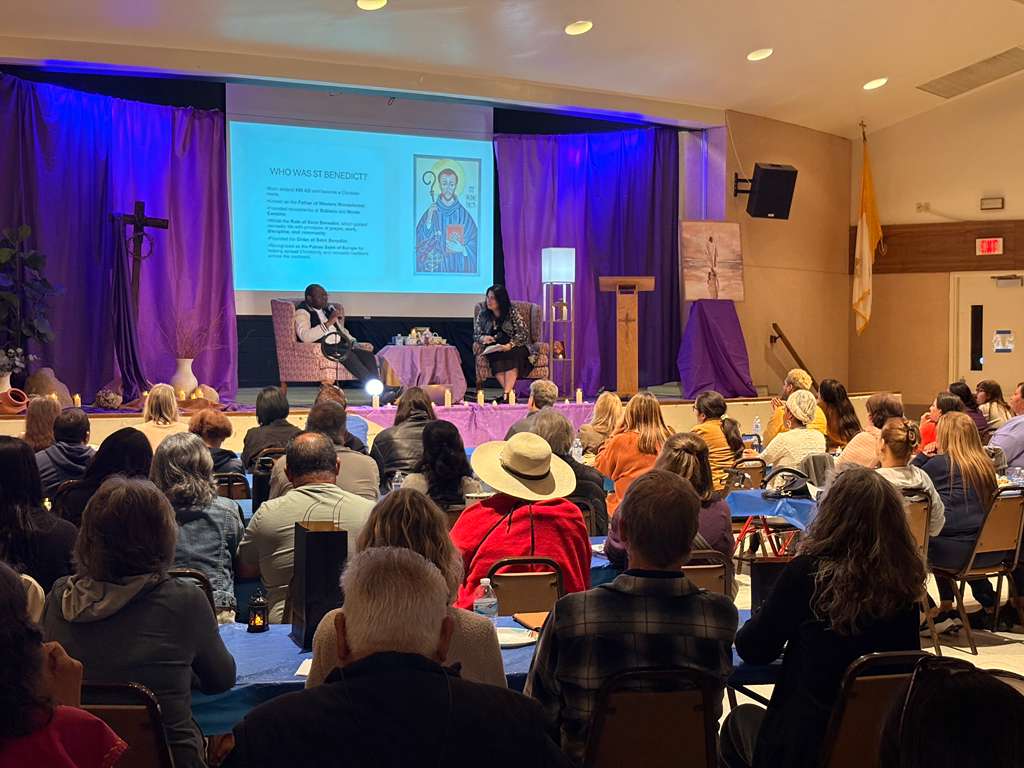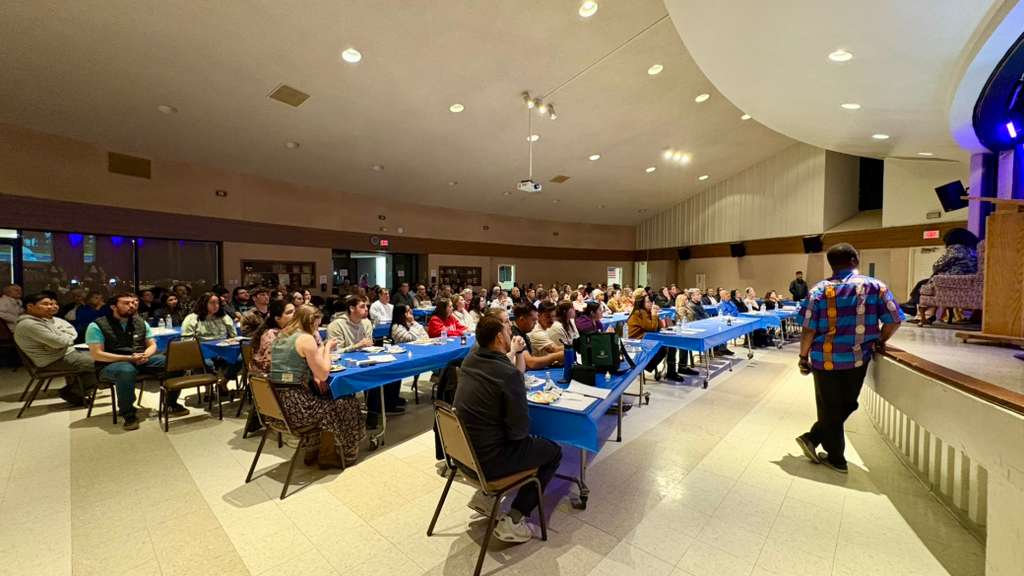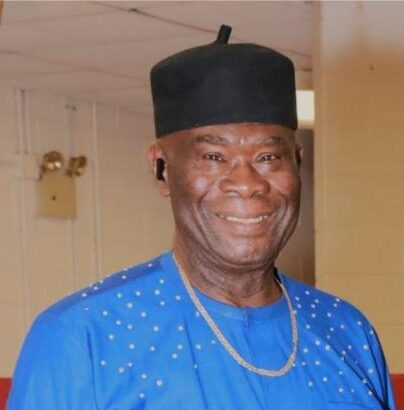
This month’s edition of the PAX Herbal Newsletter invites you into a deeper reflection on the sacred work of tending the inner life. Inspired by a recent workshop in California led by Fr. Anselm Adodo, OSB, participants were guided into a rediscovery of the profound connection between mind, body, and spirit—a connection that lies at the heart of holistic healing.
The workshop, titled “Return to the Center,” opened with a simple yet transformative insight:
“The center is the present moment. The Here and Now.”
This reminder, drawn from the workshop slides, set the tone for a journey inward. In a world where many live either in the shadows of the past or the anxieties of the future, the present moment becomes a sacred doorway. As one slide noted, “When you are sad, you are living in the past, which does not exist. When you are worried and anxious, you are in the future, which does not exist. When you are happy, you are living in the present moment, where you exist.” Healing begins when we return to where life actually unfolds—the now, the only place where God meets us.
THE GARDEN OF THE HEART: A SYMBOL FOR INNER HEALING
One of the most striking images from the workshop was the metaphor of the heart as a garden. The presentation captured it beautifully:
“The heart and mind are like gardens. It is your duty to keep it free of weeds, keep it clean and let it bloom.”
This metaphor is more than poetic—it is practical. Every garden grows something. The question is not whether seeds are being planted, but which seeds. Thoughts, emotions, and attitudes are the seeds that shape our inner landscape.
- Do you cultivate gratitude, compassion, and peace?
- Or do you allow resentment, fear, and negativity to take root?
- What do you allow to grow in the garden of your mind?
Just as a gardener removes weeds before they choke the flowers, so must we guard our inner life. Holistic healing begins with this responsibility: to keep watch over the heart, to notice what enters, and to choose what remains. The workshop invited participants to see this inner tending not as a burden but as a sacred act—an offering of love to oneself and to God.
THE MIND–BODY CONNECTION: A HOLISTIC VISION
A central theme of the workshop was the inseparable relationship between mind and body. This is a truth long recognized in monastic spirituality, African traditional medicine, and contemporary holistic health practices.
When the mind is restless, the body responds with tension. When the heart is burdened, the immune system weakens. When the spirit is disconnected, fatigue and disorientation follow. Healing, therefore, must address the whole person.
The workshop materials emphasized practices that cultivate inner stillness, such as Lectio Divina. The slides describe it as “quiet reflection… training the mind to stay attentive and present instead of wandering to past worries or future plans.” Through slow, prayerful reading of Scripture, the mind learns to rest, the heart becomes receptive, and the body relaxes into a posture of openness.
Similarly, centering prayer—described in the workshop as “the prayer of silence”—helps quiet the constant impulses of the mind. By choosing a simple sacred word and returning to it gently whenever distractions arise, practitioners learn to rest in God’s presence without striving. The workshop notes explain that this practice frees “your true self to experience more of God’s love in the very core of your being.”
This inner quiet is not an escape from life. It is the soil in which clarity, peace, and healing can grow. It is the ground from which a healthier, more integrated life emerges.
THE WISDOM OF ST. HILDEGARD OF BINGEN: A BENEDICTINE GUIDE TO WHOLENESS
A highlight of the workshop was the introduction of St. Hildegard of Bingen, the Benedictine abbess whose writings continue to shape holistic healing traditions around the world. The slides described her as “a mystic, composer, and polymath whose writings span theology, medicine, and mysticism.”
Her two major medical works—Physica and Causae et Curae—reflect a deeply integrated understanding of the human person. She believed in healing the whole person through:
- Herbal remedies
- Nutrition and diet
- Emotional balance
- Harmony with nature
- Preventative care
Her approach resonates strongly with the PAX Herbal philosophy and with Fr. Anselm’s lifelong work in African traditional medicine and monastic healing.
To deepen her significance, it is worth recalling that St. Hildegard of Bingen was officially declared a Doctor of the Church on 7 October 2012 by Pope Benedict XVI, placing her among the very small and remarkable group of four women whose teaching the Church recognizes as universally authoritative.
This recognition affirms not only her theological insight but also her holistic vision of human flourishing.
Hildegard saw the human person as a microcosm of creation—interwoven with nature, animated by divine breath, and capable of radiant vitality when living in harmony with God and the world. Her teachings remind us that healing is not merely the absence of illness but the presence of balance, joy, and spiritual vitality.
RETURNING TO THE CENTER: A PATHWAY TO WHOLENESS
The workshop concluded with a gentle invitation to step away from the noise of daily life and rediscover the still point within. One slide captured this beautifully:
“Stepping aside from the busyness of our daily lives and being still in the presence of God is the key to discovering our true selves.”
This is the essence of holistic healing:
a return to the center, where body, mind, and spirit meet in harmony.
Healing is not something we chase; it is something we allow. It emerges when we slow down, breathe deeply, and listen to the quiet voice within. It grows when we tend the garden of the heart with patience and love.
A FINAL WORD FOR THIS MONTH
Your heart is a garden.
Your thoughts are seeds.
Your habits are the daily watering.
Your spiritual practices are the sunlight.
Your community is the rain.
Tend your inner garden with love.
Remove the weeds gently.
Let beauty grow.
Let peace take root.
Let God’s presence blossom.
Until next month,
PAX HERBAL – Healing the Whole Person